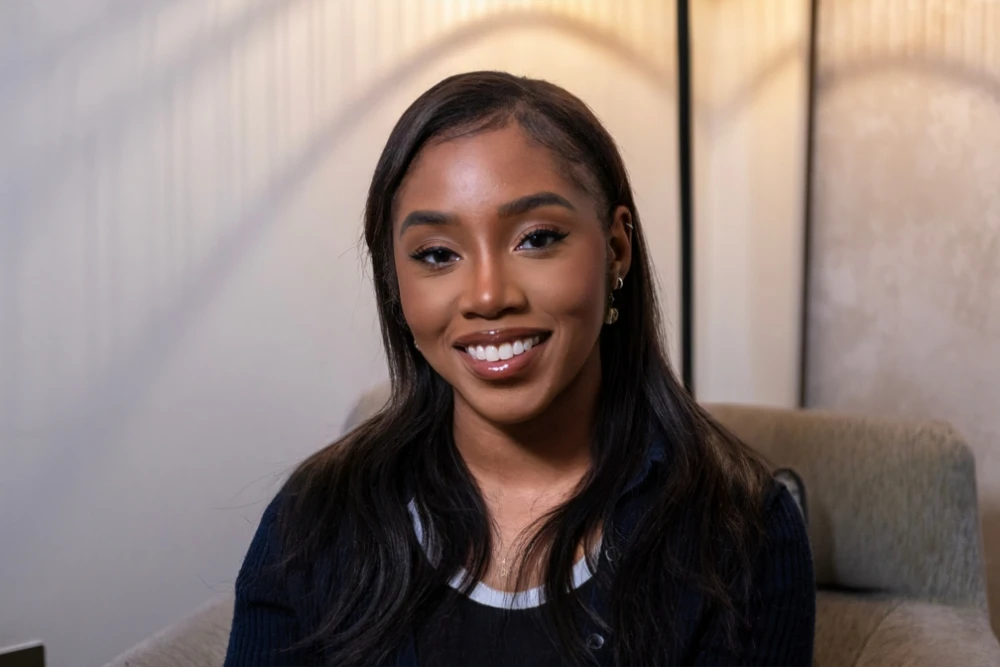
In the fast-moving world of aesthetics, where trends and treatments change by the season, Teresa Tan is doing things differently. As founder of Tan&Co®, she has built a practice with a focus on care — a value that goes far beyond the pursuit of instant results. With her background as an Advanced Nurse Practitioner in the NHS, Teresa brings the rigour of medical ethics to an industry that’s often criticised for its lack of regulation, advocating for patient safety and education at every step.
Specialising in skin of colour, she’s also challenging long-standing gaps in dermatology, creating tailored treatments for patients who have historically been underserved. From her candid views on dissolving filler and the rise of the natural look, to her advice on first-time consultations and skincare basics, Teresa offers a refreshing voice of integrity.
We sat down with her to talk about the principles behind Tan&Co®, the future of aesthetics, and what patients should really know before booking their first appointment.

Tan&Co® is built on the values of care, compassion, and comfort. How do you uphold these values in an industry often driven by trends and fast results?
There will always be a spotlight on quick fixes and trending treatments — chia seeds, miracle serums, and the next big thing. But as medical professionals, we’re taught to practice in a way that is rooted in evidence and ethics, always putting patient safety first. At Tan&Co®, we deeply respect the skin — our largest organ — and advocate for treating it with patience, care, and kindness. We’ve created a space that is not only results-driven but also safe, inclusive, and judgement-free for all.
There’s currently no legal minimum training required to administer injectables like Botox or dermal fillers in the UK. How do you feel about this lack of regulation?
It’s a concerning reality. While there are a few non-medics who deliver injectables with care and skill, the majority of unregulated providers operate in unsafe conditions — injecting in non-sterile environments, sourcing medications illegally, and even falsely claiming medical credentials. Without oversight from bodies like the GMC, NMC, or GPhC, there’s no accountability — and that puts patients at risk.
Thankfully, we’re seeing progress: the ‘nurse’ title is now legally protected, and qualifications like the Level 7 PGDip in Aesthetics offer a gold standard framework. Many medical practitioners also undertake regular training and are prescribers or working towards it. Until stronger regulations are enforced, I urge everyone to vet their practitioner thoroughly — check qualifications, registration, and experience. You have every right to ask.
You specialise in treating skin of colour — a group still underserved in dermatology. What are the most common concerns you see in-clinic?
As someone of both African and East Asian heritage, I understand the unique challenges first-hand. Common concerns among my patients include acne, scarring, post-inflammatory hyperpigmentation, melasma, dullness, uneven tone, pseudofolliculitis barbae (razor bumps), and eczema. These issues often require a nuanced approach, and unfortunately, many mainstream treatments aren’t tested or formulated with melanin-rich skin in mind — which is why specialised care is so important.
There’s a shift toward a more ‘natural’ aesthetic. Why do you think this trend resonates, especially with younger patients?
We’re seeing a growing awareness around mental health, body dysmorphia, and the psychological impacts of aesthetic treatments. Many patients no longer want to look “overdone” — and in some cultures, even seeking treatment can still be considered taboo. We’re also learning that filler lasts much longer than once believed and can migrate over time. Personally, I’m dissolving more filler now (often placed by other clinics) than I’m injecting — and that’s a positive shift. As I often say, if your practitioner looks overfilled or is giving “Chad Squidward” vibes, it’s probably time to run.
For people interested in subtle, natural results, what understated treatments do you recommend at Tan&Co®?
I’m always about a skin-first approach. Without a healthy foundation, injectables won’t give you the glow you’re after. SPF is non-negotiable. For those looking to invest in skin health, my clients love the celeb fave Geneo X facial — a 4-in-1 treatment combining Electrical Skin Activation (ESA) and TriPollar Radiofrequency to lift, tighten, and stimulate collagen. I also offer polynucleotides, microneedling with exosomes, medical-grade peels (like The Perfect Peel), and skin boosters — these are the real future of skin rejuvenation.
More people are choosing to dissolve their filler. What’s your perspective, and what conversations do you have with those reconsidering past treatments?
First and foremost, people often forget that if you have a bee-sting allergy, you should avoid fillers — because hyaluronidase (used to dissolve filler) contains similar components. For elective dissolving, I always carry out a thorough consultation to understand motivations and ensure no one is acting out of pressure. I’ve seen 21-year-olds coming in to dissolve lip filler, which suggests they may have started well before 18 — and that’s worrying. Also, I don’t support same-day dissolving and reinjection. It’s important to allow the tissue time to settle and recover.
There are many filler brands out there — which ones do you trust and use?
While I don’t do high volumes of filler, I only use premium, reputable brands like Juvederm, Teoxane/Teosyal, and Radiesse. They offer excellent safety profiles, natural results, and consistency across a wide range of indications. In aesthetics, quality matters — and so does choosing the right product for the right face.
You balance working in the NHS with running Tan&Co® and supporting causes like Pumping Marvellous. How do you manage it all?
A good old-fashioned diary planner — still one of the most underrated tools! I work part-time in General Practice as an Advanced Nurse Practitioner and part-time at Tan&Co®. I keep my schedules strict and separate so that I can give 100% to each role. My clinical principles don’t change between the NHS and aesthetics: patients always receive safe, ethical, high-quality care. I’ve also introduced services like private blood testing to bridge both worlds. If you can, delegate: a PA or virtual assistant, or using scheduling tools for socials, can be a game-changer.
What should people look for in a first-time aesthetics practitioner?
Honestly? Start with how they look. You wouldn’t go to a dentist with bad teeth. If a practitioner appears heavily overfilled, that might be a red flag. Beyond appearances, look into their qualifications, medical background, registration with a governing body, and experience. Don’t be swayed by follower counts or flashy content. Ensure you’re given a thorough consultation, medical screening, and that the treatment setting is appropriate. If you’re being offered injectables in a hallway or back room — leave.
What questions do you wish more patients asked during consultations?
Aftercare and realistic timelines. Some patients expect overnight transformations, but true results — especially skin-related — take time. Aftercare is just as crucial as the treatment itself. If you ignore it, your results may suffer. I always stress that aesthetics is a journey, not a quick fix.
Are there any skincare habits you recommend before considering injectables or advanced treatments?
Absolutely. You don’t need a 12-step routine — just the basics: a good cleanser, moisturiser, and SPF. A treatment serum if you must and only if you have a skin concern or at risk of. Without consistent sun protection and a healthy skin barrier, you’re wasting your investment in injectables. Treatments will always look better on well-cared-for skin.
Book a consultation here.