It has been nearly four years since Ngozi Onwuchekwa had her life turned upside down by a stage three cancer diagnosis. The cancer, rhabdomyosarcoma, is a rare and aggressive type that forms in soft tissue, and its symptoms include heavy bleeding and abdominal pain.
Despite presenting with these symptoms, it took months for Ngozi to receive a diagnosis from a doctor and undergo treatment. However, since then, the 45-year-old has won the Mrs Universe Exceptional Lady title and was a Mrs Universe finalist, and is currently training for the Brighton Marathon with the aim of running to raise funds for cancer sufferers.
Here, she talks to Spell Magazine about the importance of seeking a second medical opinion, winning a pageant as a cancer survivor, and how to boost confidence in everyday life.
A cancer diagnosis is a shocking and scary thing. How did you come to terms with your diagnosis?
Accepting it was challenging as it was an unexpected and frightening experience.
You had to push doctors for a diagnosis after your concerns were previously dismissed. How long did it take between noticing your symptoms and getting diagnosed, and what were you feeling during this time?
I noticed my main symptoms, which was daily heavy bleeding (like non-stop period) for months.
It took that long to get the first scan, even then I was misdiagnosed yet again. They thought I had polyps and operated to remove them. It was only after the surgery that they realised what was removed was a large tumour and not polyps (by the way, that tumour grew back even bigger within six weeks of removing it).
What’s your advice to those who worry that their health concerns aren’t being taken seriously by their doctor?
It’s important to always seek a second opinion, especially when it comes to your health. In my case, I was experiencing bleeding that my doctors had attributed to stress and dismissed as a minor issue. I trusted their diagnosis until I confided in a close friend who is a fitness instructor. She was alarmed by my symptoms and urged me to persist with seeking medical attention until my concerns were taken seriously.
Who was present in your support system, and how did they help you through your cancer journey?
My cancer treatment happened during COVID-19, and it was a very lonely time as I had to ‘shield’ and nobody could come and see me in the hospital.
My husband was my rock as he had to be my carer. He cooked, cleaned, picked me up when I was sick on the floor, drove me to A&E when I had to be rushed into hospital for emergencies and much more. My siblings and mum were there for me, too, by phone. They weren’t allowed to visit during the lockdown.
You were an active fashion Instagrammer pre-diagnosis – what made you start sharing your health journey online?
Winning the title of Mrs Universe Exceptional Lady in Miami was a turning point as it allowed me to shine a spotlight on Sarcoma (cancer). It’s rare, deadly and usually affects younger people. I felt compelled to share my health journey with the world to help raise awareness. The more people know about this cancer, the easier it is to detect symptoms and help save lives.
For many women, a cancer diagnosis can lead to worries of hair loss due to chemotherapy. Being someone who experiments with different hairstyles, was this ever a concern for you?
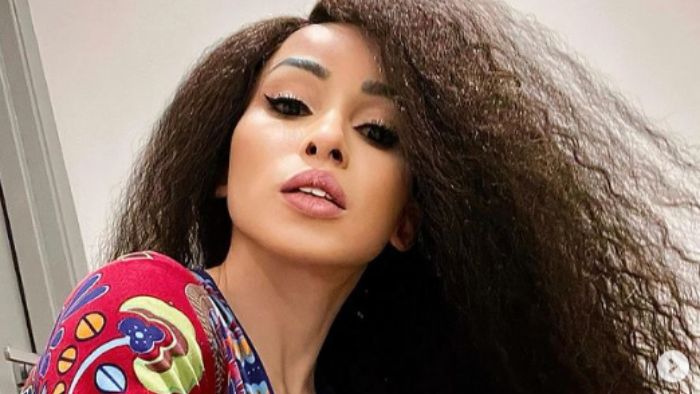
My natural hair is 4C afro hair and it took years to grow. But, I did lose it all.
However, I’m not too sure how to answer this, except to include an extract in the book I’m writing, since I dedicate a chapter to this topic.
Chapter 6: The day that my hair fell out
“The VAC drugs took their toll, killing every cell in my body and spurring on a case of alopecia that affected all hair follicles including eyelashes and eyebrows. This time, when I stared in the mirror. I felt differently. A bald shiny scalp stared back, taunting me. The big C had stripped me of my identity. I no longer looked like me. The semblance of normality I clung to at an inch long…Gone.
My head was an odd shape. Not round or squarish. More like 4 bumpy corners. It was also incredibly small. Who knew underneath that thick, dense mane was a peanut sized head; one that felt weird and rubbery to the touch. In a sense I saw myself for the first time, without the distraction of societal expectations, culture norms and beauty standards; stripped bare with nothing to hide behind. Once the shock and surreality subsided, I told myself alopecia was a rebirth symbolising a second chance at life. It meant that the treatment was working and we were winning.
Bald was good, bald was purity, bald was me”.
What advice do you have for women tackling hair loss?
I understand that receiving a cancer diagnosis can be a challenging time for anyone. It’s especially crucial for women to grant themselves permission to experience and embrace all the emotions that arise. I recommend gentle head massages or rubs to help increase blood circulation and promote self-love and acceptance. If they want to keep their head warm, there are some fantastic realistic wigs made for cancer patients that are gentle on the scalp, as well as some beautiful head wraps that can be used.
In 2023, you were awarded the Mrs Universe Exceptional Lady title as a cancer survivor still in remission. How did this impact your life in the months following?
I wasn’t expecting to win anything. Whilst on stage, I kept getting flashbacks when I was in hospital, emaciated, sick, mentally and physically, unable to move freely, talk much due to painful mouth sores or even think clearly. To be on a world’s stage whilst in remission was a surreal, pinch-me moment. Winning was an opportunity to give back and shine a spotlight on Sarcoma cancer, often called ‘the silent killer’ because it doesn’t usually show visible symptoms. Winning was also an opportunity to show that there is light at the end of the tunnel and let cancer survivors know that they can do anything and don’t have to be defined by this illness or feel imprisoned by it.
Winning the title must have been a real confidence-booster! What are your three tips for boosting confidence in everyday life?
When you’re faced with a decision or an opportunity, it’s important to remember to take action and not get caught up in overthinking. Sometimes, the best thing you can do is to just do it and trust in your abilities.
Another powerful tool to help you build a positive mindset is to practice affirmations. By telling yourself positive things, you can help to reprogram your mind and build confidence in yourself and your abilities.
It’s also important to take the time to acknowledge your achievements and accomplishments. We often focus on the things we haven’t done or the mistakes we’ve made, but it’s equally important to recognise the things we have achieved. Make a list of your accomplishments, big or small, and give yourself credit for them. Be kind to yourself and give yourself a pat on the back for a job well done. This can help to boost your self-esteem and reinforce positive behaviours.
The toughest challenges in life can often make us stronger. What strengths have you discovered in yourself since the start of your health journey?
The ability to persist relentlessly and persevere through tough times, and stand up for what I believe in.
A deeper sense of empathy and compassion for those around me, allowing me to connect with people on a profound level and (hopefully) make a positive impact in their lives.
An unquenchable thirst for finding joy in life’s simple pleasures, cherishing every moment with a sense of gratitude.