Adetutu Awojide is the visionary founder behind AfroTribeHair, a cultural movement that celebrates the beauty, science and heritage of Afro hair.
What began as a personal passion project has evolved into a thriving community platform offering wigs, hair care products, workshops, and storytelling events that honour identity and empower people on their natural hair journeys. With roots in her Nigerian heritage and a mission grounded in education and cultural pride, Adetutu has turned AfroTribeHair into one of the most authentic brands in the Afro hair space.

AfroTribeHair has recently undergone an exciting rebrand! What inspired the change?
A fresh idea to highlight the cultural significance and identity associated with Afro hair led to the rebranding of Afro Tee Hair to AfroTribeHair. The mission expanded along with the community. What started out as a personal hobby, and then a side project, has grown into a cultural movement with roots in empowerment, education, and pride. The branding represents a change from merely providing goods and services to turning into a platform that honours the beauty, science, and history.
What started out as “Tee,” a personal expression associated with my name, has transformed into “Tribe,” signifying the togetherness and common identity of our expanding group. Through community involvement, product creation, education, and overall well-being, AfroTribeHair aims to dispel cultural prejudices around natural African hair. Along with providing well-researched and efficient hair care products, we have written enlightening eBooks and conducted in-person and virtual workshops to empower and educate our community.
What was the major turning point for your brand?
In 2021 to 2022, I became a brand ambassador for Cantu Beauty UK after winning first runner-up in a highly competitive campaign. The competition involved hundreds of participants and multiple rounds of themed content challenges. I advanced from the over 100 talents to the top 10, then the top 5, and finally into the top 3.
That moment validated the vision behind Afro Tee Hair. What I had been doing out of pure passion, creating content, educating others, and sharing my natural hair journey, now had tangible recognition. Alongside a cash prize, I was offered a monthly paid partnership to continue creating content, and I received regular hair care product packages to review and share with my community.
This exposure opened even more doors, including brand collaborations beyond hair care, extending into fashion and lifestyle. The recognition confirmed that the mission was bigger than me. Afro Tee was no longer just a name, it was becoming a Tribe, a growing community inspired by authenticity, creativity, and culture.

What was your next move after establishing your online audience?
In 2023, we stepped out of our comfort zone and expanded our presence at pop-up shops and cultural markets. This allowed us to connect with more people face-to-face, selling our signature Afro wigs, braided wigs, and Afro hair accessories while continuing our mission of education through culture. These events weren’t just about selling products, they became platforms for storytelling, community-building, and cultural education.
One of our standout offerings is our 100% Natural Shea-butter and the Ilarun; a wooden hair parting too, both products are rooted in Yoruba tradition, from Nigeria in Africa. Through items like this, we shared the heritage and history behind our hair care practices, introducing non-African audiences to meaningful, functional, and ancestral tools. We didn’t just sell, we networked, educated, and inspired, using every interaction as a chance to expand the Tribe and celebrate the beauty and significance of Afro hair from a deeply cultural lens.
From there, in 2024 AfroTeeHair took a new shape. Over a span of six months, we hosted weekly live sessions, engaging the community with brand founders, product formulators, trichologists, doctors, and more. These sessions were spaces for deep learning, empowerment, and connection, bringing professional, science-based insights into everyday hair care.
Where is AfroTeeHair at now?
Now in 2025, we’re taking it even further! We’re proud to present the KINKS, COILS & CULTURE Workshop Conference; an in person event happening on 19th July 2025 in Manchester. This isn’t just a workshop, it’s a celebration of knowledge, culture, and community.
The event covers:
• The Science of Afro Hair
• Hair Care & Maintenance from experts and enthusiasts
• Braiding Techniques, Product Ingredients, Porosity & Texture
• Kids & Afro Hair, Men’s Grooming & Beard Care
• Hair Loss & Restoration, Workplace Professionalism with Afro Hair
• Cultural & Historical Significance of our hair
• And even Trichologist-led scalp examinations
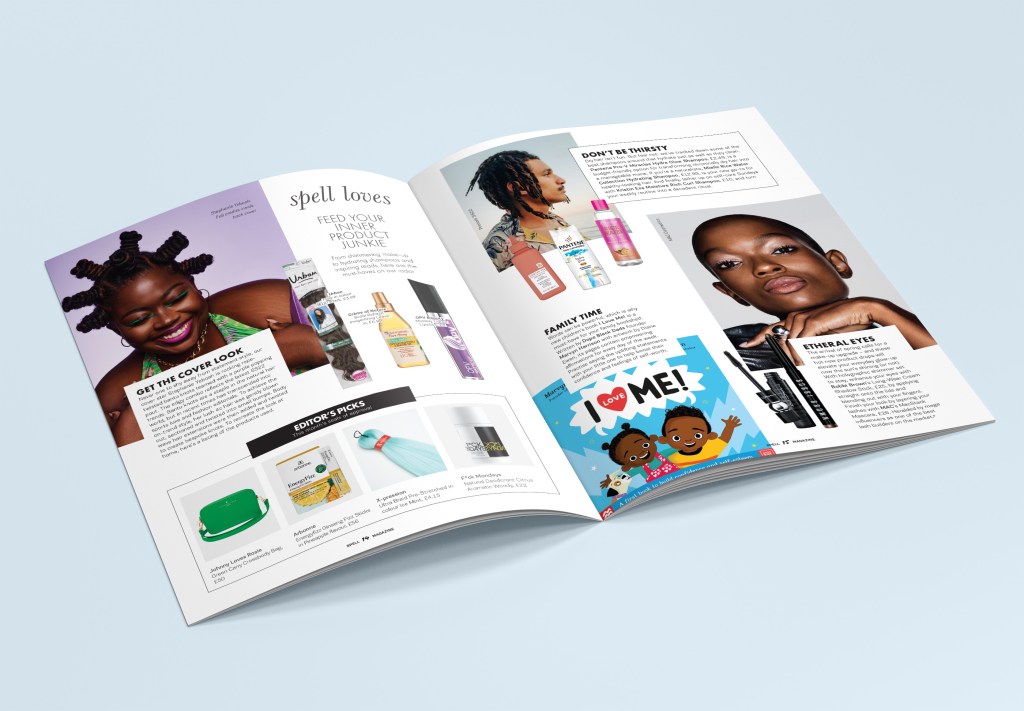
We are especially excited by the growing interest from various sectors, including the fostering community, cultural heritage groups, and organisations seeking inclusive, educational experiences. With support from Cantu Beauty, Radio Africana, Flora & Curl, Spell Magazine, Cultureville, and the growing Tribe we’ve built, this event is the next chapter in our mission, and we are open to more collaborations and sponsorship. AfroTribeHair is not just a brand. It’s a movement, a safe space, and a cultural home for everyone who believes in the power, beauty, and heritage of natural Afro hair.

How would you describe the AfroTribeHair community and what it stands for?
The community of AfroTribeHair is a potent fusion of togetherness, culture, and authenticity. People who are dedicated to discovering and appreciating the beauty of their natural hair, regardless of age or background, are included. Beyond aesthetics, the group is about self-love, self-assurance, cultural preservation, and knowledge sharing. We value curls, coils, and kinks as a natural feature rather than a passing fad. People can interact over common cultural experiences.
As with many businesses, AfroTribeHair began as a hobby and passion. What made you want to turn it into a business?
Initially, I began assisting friends and family with their hair, providing products, advice, and techniques that had worked for me. Over time, I realised how much ignorance, guilt, and misunderstanding surrounds Afro hair care, particularly among those just starting out on their natural hair journey.
The tipping point occurred when I watched how much confidence people got simply by learning more about their hair or wearing a wig that allowed them to feel like themselves again. That’s when I realised this was more than a pastime. Turning it into a business allowed me to reach more people, make culturally relevant items, and offer courses that encouraged others to embrace their hair proudly.
What were you doing before you started your business, and how did you make the transition to entrepreneur?
I worked in my Mother’s Hair Salon prior to AfroTribeHair. Even though I was thankful for the experience, I was constantly drawn to something more meaningful and intimate.
I began modestly by selling handmade wigs, sharing hairstyle advice online, and taking part in neighbourhood gatherings. As the demand and response increased over time, I decided to take a chance. I had to learn everything from branding to company management, so the change wasn’t simple, but I persevered because of my enthusiasm. Every obstacle confirmed that I was headed in the correct direction.
How did you learn to make wigs?
I was completely self-taught in the beginning. I spent countless hours watching tutorials, practicing on mannequin heads, and experimenting with different techniques. Later, I invested in professional courses and attended workshops to refine my skills as well as apprenticeship. It was a process of trial, error, and growth.
What kept me going was the joy on someone’s face when they wore a wig that felt like “them.” Wigs aren’t just hair, they’re identity, protection, expression, and for some, healing.

What skills do you think are most important when it comes to making wigs?
Patience, attention to detail, and understanding hair textures are essential. You also need a good eye for shape, colour, and fit, because a wig should complement the wearer naturally. Strong communication skills help too, especially when customising a wig to suit someone’s lifestyle or personal taste. More importantly, being open to practicing new skills; learn, unlearn and relearn methods of fixing wigs. The ability to stay up-to-date with trends while preserving the cultural relevance of each piece is key.
What’s your key to a comfortable and natural-looking wig?
It starts with the foundation, using breathable, flexible wig caps and ensuring proper measurements. A realistic hairline, good lace quality, and seamless blending are musts. But comfort also comes from how secure the wig feels on your head, especially for everyday wear.
I also consider the client’s needs, whether it’s a busy mum who needs something easy to maintain or someone experiencing hair loss who needs extra scalp sensitivity. Comfort and confidence go hand in hand.
What makes an AfroTribeHair wig different?
8Our wigs are made with intention. Every unit is crafted with care, cultural awareness, and a deep understanding of Afro hair textures. We prioritise high-quality materials, offer customisations that reflect personal style, and educate our clients on maintenance and care. But beyond that, it’s the storytelling behind each piece, whether it’s inspired by heritage, tradition, or modern Black beauty.
AfroTribeHair wigs are not just fashion statements; they’re expressions of identity.
You mentioned on Instagram that AfroTribeHair will feature future storytelling events and cultural experiences – what can your community look forward to next?
We’re creating immersive experiences that bring the richness of Afro culture to life, through storytelling, panel discussions, cultural hair history showcases, and community-led workshops. At AfroTribeHair, there’s so much to look forward to as we continue to grow our community and celebrate our heritage.
Our next big highlight is the “Kinks, Curls & Culture” Workshop-Conference; an experience people are already asking us to bring back! This powerful event blends oral tradition with personal narratives, exploring what Afro hair truly means across different generations. It’s a space for healing, learning, and pride, rooted in storytelling, lived experiences, and cultural wisdom.
Beyond that, we’re planning pop-up markets, wellness sessions, and collaborations with Black-owned creatives and educators. It’s all about more than just hair, it’s about identity, heritage, and holistic empowerment. We’re creating spaces that honour who we are, where we come from, and where we’re going. Stay tuned! It’s only the beginning.

What’s your message to someone who’s just starting their natural hair journey and feeling unsure?
As a natural hair education and wellbeing practitioner, my message to anyone just starting their natural hair journey is this: Start with love; your hair doesn’t need to be ‘tamed’ or ‘fixed.’ It needs to be understood and appreciated. Don’t compare your journey to anyone else’s, and take your time discovering what works for you. There will be trial and error, but you’ll also find freedom and joy. Connect with a supportive community like AfroTribeHair! Invest in knowledge, and be patient. Your hair is your crown, unique, beautiful, and full of legacy. Own it.
Here are a few must-haves to help you get started:
1. A Moisturising Routine
Afro hair craves moisture. Invest in a good leave-in conditioner, hydrating spritz, and deep conditioner for weekly treatments. Water is your best friend, don’t be afraid to hydrate often.
2. Oils and Butters
Natural oils like jojoba, castor, or avocado oil seal in moisture, while butters like shea or mango nourish and protect. These are essential for keeping your strands soft, strong, and healthy.
3. Wide-Tooth Comb or Fingers
Ditch the fine-tooth combs. A wide-tooth comb or your fingers are gentler and help prevent breakage when detangling.
4. Satin or Silk Scarf/Pillowcase
Cotton dries out natural hair. Sleeping with satin or silk helps retain moisture and reduce friction that causes breakage.
5. Protective Styles
Not just for convenience, protective styles like twists, braids, or bantu knots give your hair a break and help retain length. But remember, protective doesn’t mean neglect, your scalp still needs care.
6. Education & Community
Surround yourself with people who affirm your journey. Attend workshops (like our Kinks, Curls & Culture event), follow educators, and ask questions. Knowledge is power.
And most importantly, listen to your hair. It’s unique, beautiful, and worthy of care just as it is. Every kink, coil, and curl tells a story. You don’t need to “fix” your hair—just learn how to love and care for it, naturally.
Visit https://afroteehair.co.uk/