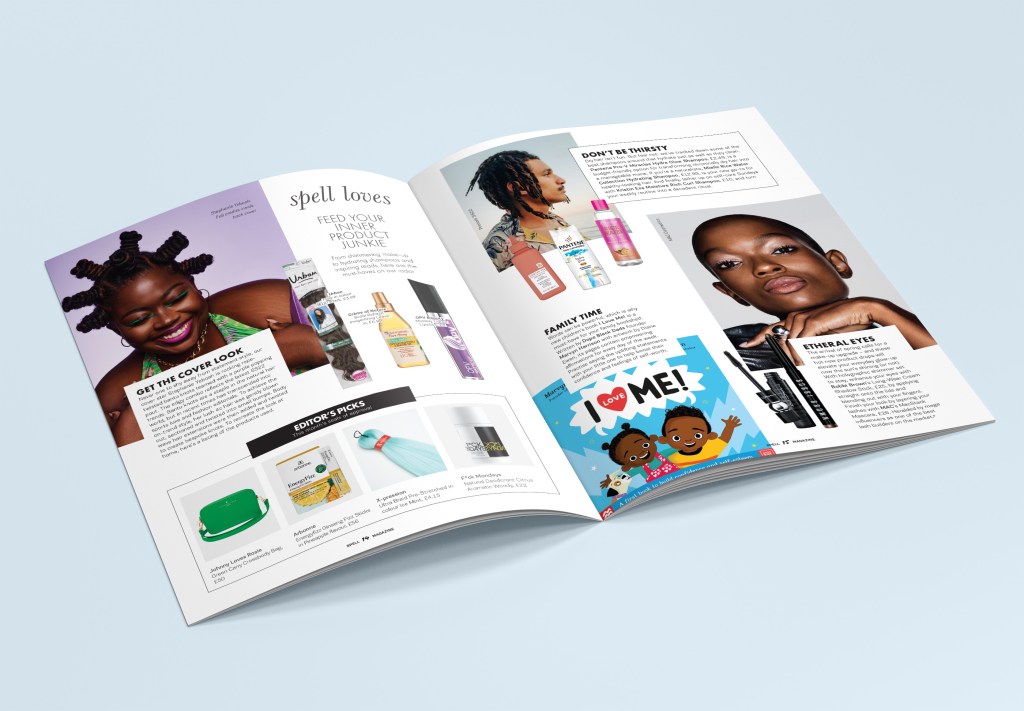
More and more consumers are turning to influencers for skincare advice, hoping their favourite creators can help them tackle skin concerns or achieve glowing results. But a recent Skin Health Alliance survey highlights a worrying trend: 59% of respondents said they’d buy a product without further research if an influencer they follow recommended it – a figure that jumps to 71% among 18 to 26-year-olds.
While influencers can offer inspiration and a sense of community, it’s worth remembering that their opinions are personal and shaped by their own skin type and experiences. They may also have biases from brand partnerships, sponsorships or gifted products.
Who to trust for skincare recommendations?
A more reliable approach is to look for independent, professional accreditation, signposted by clear symbols on product packaging.
Some brands create their own symbols with claims like ‘Dermatologist Tested’, ‘Dermatologically Tested’ or ‘Dermatologist Approved’. These phrases may sound reassuring but what do they actually mean and what evidence supports them?
‘Dermatologist Tested’ or ‘Dermatologically Tested’ typically indicates that a product has been tested by, or in consultation with, a dermatologist to assess for tolerance or potential skin reactions. However, these labels can be misleading. They do not reflect any standardised process and do not guarantee any specific set of standardised testing. It only confirms that testing took place. While this might suggest the product was used on human skin and did not cause a reaction, there is often a lack of transparency. Important details such as how often the product was applied, how much was used, which areas were tested and the outcomes, are rarely disclosed. As such, the label provides almost no insight to the product’s safety or effectiveness.
Similarly, ‘Dermatologist Approved’ only means that at least one dermatologist gave the product a positive review or has said they would recommend it. It does not require clinical testing or independent verification.
Crucially, none of these terms are legally defined or regulated. Brands can use them without meeting any specific requirements which means there’s no guarantee of the testing process or the product’s safety and efficacy. These claims are vague and offer little meaningful guidance for consumers.
Skincare products: How to do your own research
To make better informed skincare choices, consumers should seek out products that have undergone independent, dermatologist-led accreditation. Dr Susan Mayou, consultant dermatologist at London’s Cadogan Clinic says, ‘It’s important for consumers to look beyond marketing claims and seek out products that have been rigorously tested on a large number of human subjects and are backed by credible, independent scientific research. While influencer recommendations can be helpful as a starting point, independent accreditation from a trusted dermatologist-led authority ensures that the products you choose meet high safety and efficacy standards.’
In fact, 55% of consumers state that dermatologists are their most trusted source of information when making decisions about their own or their family’s skin health. This highlights the importance of knowing when a product has been properly tested and genuinely endorsed by skin experts.
Accreditation from a qualified, independent third party gives consumers confidence that a product meets strict standards. Only brands that pass robust scientific and safety checks are granted the right to display an accreditation logo. Transparent, clear and rigorous criteria are essential. For example, the Skin Health Alliance uses a comprehensive review process that includes quality assurance evaluations and scientific assessments by a dermatologist led panel. This panel analyses ingredients, clinical and user trial data and efficacy evidence to ensure the product meets high standards of safety and performance.
Ultimately it’s up to consumers to decide who they choose to listen to and what advice to follow when it comes to their skin. Trust, whether well placed or not, is the main driver, whether it comes from a beloved influencer or a qualified expert. Balance plays an important role too. By combining insights from both sources, consumers can reach their own informed conclusions and be guided toward products that are both safe and effective for their skin.
Feature image c/o Unsplash