In the UK, 93% of the black population have faced microaggressions related to their hair, predominantly at school or in the workplace. That’s over 2.3 million children, teenagers and adults who have been discriminated against, simply for embracing their natural hair texture. The notion that braids are unprofessional or an afro is ‘disruptive’ in the classroom is rooted in a long history of systemic racism designed to target and treat people of colour unfairly.
The Enact Equality is a non-profit policy and campaign organisation spearheading the mission to make lasting, legislative change that will enhance and better the lives and experiences of black children and adults across the UK. The newly launched Discrimination Reporting Platform is a dedicated, online portal providing a safe, inclusive space for those who have experienced hair discrimination of any kind to seek guidance, support and ultimately, galvanise policy makers to drive meaningful change.
Users will be able to work with the Enact Equality team to drive their desired outcome, from helping to advocate for policy change with the team, to pro-bono law firm referrals. In the UK, known hair discrimination cases can start in nursery at as young as four years old, then continue throughout childhood educational experiences and into adult life. This is a major step forward in supporting people to advocate for their rights.
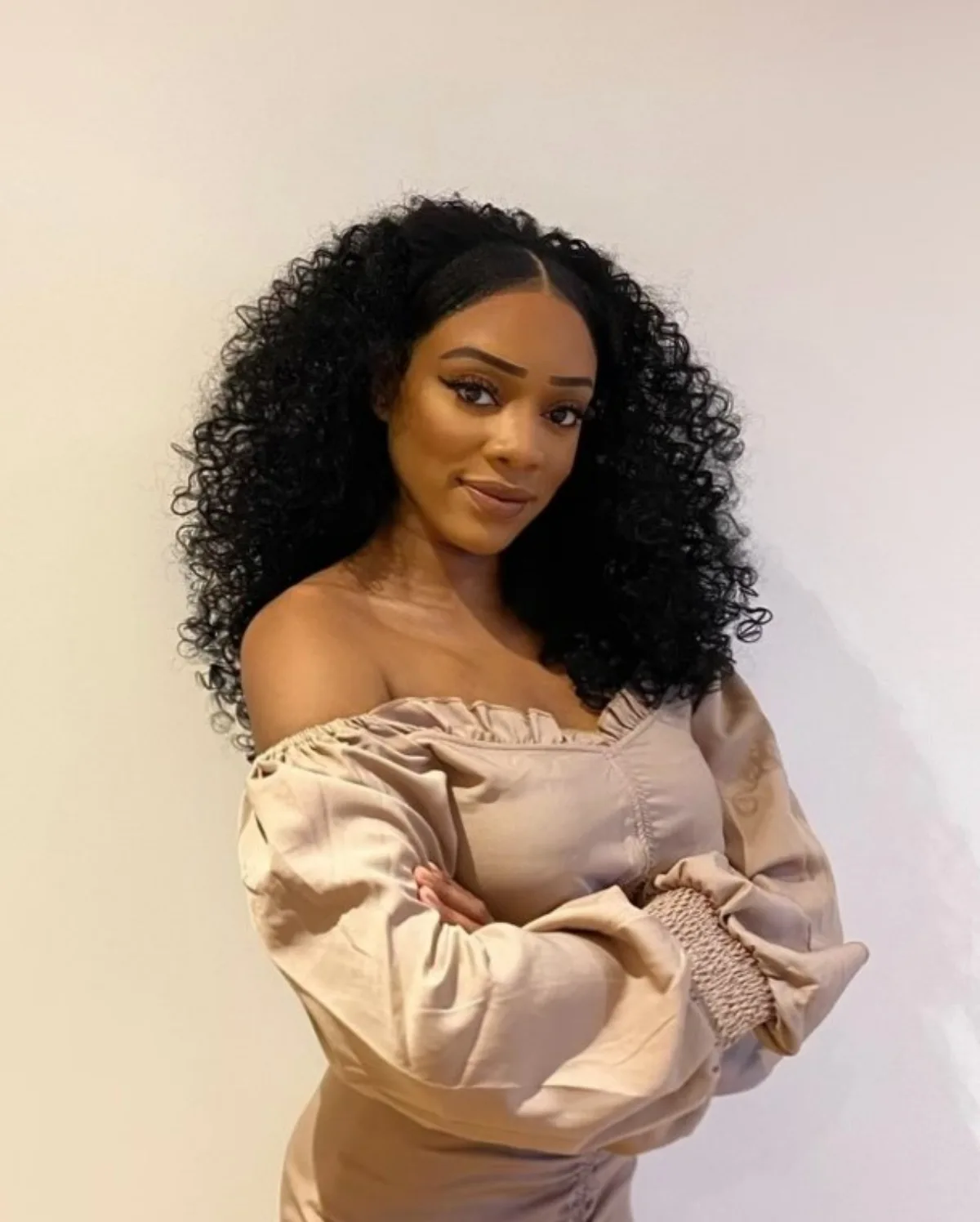
Founder and CEO of Enact Equality, L’myah Sherae says: “Our reporting platform at Enact Equality is a critical tool in the fight against discrimination, an issue that cannot be ignored. The platform isn’t just about data collection; it empowers our community to take a stand and demand accountability. Our hair is not unprofessional or a distraction; it is a fundamental part of who we are. Through this initiative, we are reclaiming our narrative and insisting on the respect and recognition we deserve.” On a mission to change the rules for good, we speak to Sherae about her aims to influence legislative change, the importance to making a stand and her brutally truthful TED Talk.

What inspired you to start Enact Equality, and how did your own experiences shape its mission?
I’ve been passionate about racial justice for as long as I can remember, and there’s one experience in particular that stands out vividly from my childhood. Growing up in Nottingham and attending a predominantly white school, I recall a teacher reading aloud from a book called Of Mice and Men. When they came across a racial slur, they didn’t censor it or address its implications, leaving me feeling really uncomfortable. I literally remember all of my classmates turning to look at me, and suddenly feeling hyper-visible. That evening, I told my mum about what happened. She went to the school the next day and explained to teachers why the use of such language was unacceptable. As a result, the school reformed how they approached books containing racial slurs, agreeing to censor the language or provide necessary context.
That moment taught me an invaluable lesson: I have the power to speak up and effect change. It instilled in me the belief that no one should have to endure such an isolating experience, especially as a child. Years later, that belief became the foundation for Enact Equality. My mission is to use this platform to address racial inequalities and ensure that others are protected, supported and empowered to make a difference.
Hair discrimination is a systemic issue. Why do you think it has persisted for so long, and what societal factors contribute to it?
Hair discrimination has persisted for so long because it’s deeply ingrained in our societal norms and institutions. It’s a form of systemic racism that’s often overlooked or trivialised. The persistence of euro-centric beauty standards in media, workplaces, the sporting industry and schools has played a significant role in perpetuating these harmful attitudes.
Moreover, the lack of explicit legal protections against hair discrimination has allowed it to continue unchecked in many areas. It’s a complex issue that intersects with broader racial prejudices and cultural misunderstandings. That’s why addressing it requires a multifaceted approach, targeting both policy changes and societal attitudes.
How does Enact Equality’s new discrimination reporting platform work, and what kind of impact do you hope it will have for individuals who face hair discrimination?
Our new Afro Hair Discrimination Reporting Platform is a gamechanger. It’s an innovative tool that allows people across the UK to report instances of race-based hair discrimination easily. What makes it truly special is the option for users to request free legal advice from our partner law firms. This feature is crucial because it empowers individuals with the support they need to stand up against discrimination.
We hope the platform will have a significant impact by providing a clear picture of the scale and nature of hair discrimination in the UK. This data will be invaluable for informing policy changes and raising awareness. Plus, by offering direct support to those affected, we’re giving individuals the tools they need to challenge discrimination and drive meaningful change.
Your platform offers pro bono law firm referrals and policy advocacy. Can you share examples of how these services might help someone navigate a discrimination case?
Our platform’s pro bono law firm referrals provide individuals with access to legal experts who can guide them through the complexities of discrimination cases. For example, if someone is reprimanded at work for wearing their natural hair or a protective style, they might not know their rights or how to challenge such actions. Through our platform, they can connect with a trusted law firm for free advice on how to file a complaint, gather evidence, and take appropriate legal action. This support empowers them to stand up against unfair treatment and seek justice.
On the policy advocacy side, the platform collects anonymised data from reported cases, which we use to push for systemic change. For instance, if reports reveal patterns of discriminatory school policies, we can work with policymakers to introduce more inclusive guidelines that protect natural and afro hairstyles. By combining direct legal support with broader advocacy efforts, our platform ensures that individuals not only receive immediate help but also contribute to long-term societal change.

For those who have faced this issue, what are some of the psychological impacts experienced mentally and emotionally?
The psychological impact of hair discrimination can be profound and long-lasting. Many individuals I’ve encountered report feelings of shame, lowered self-esteem, and a sense of not belonging. It’s heart-breaking to see how these experiences, especially when they occur in childhood, can shape a person’s self-image and mental health well into adulthood.
I’ve also observed increased stress and anxiety among those who feel pressured to alter their natural hair to fit in or avoid discrimination. This constant worry about how their hair will be perceived can be exhausting and demoralising. No one should have to sacrifice their identity or dignity just to be accepted. We want to create a society where everyone can feel confident and celebrated exactly as they are.
In your ted talk, you highlight your own uncomfortable experiences…
In my TEDx Talk, I share a deeply personal story from my first full-time job in politics that highlights the urgency of addressing hair discrimination. I had been invited to a political event and was genuinely excited to be there. Just as the room fell silent and the event was about to start, a senior colleague shouted out from behind me and said I needed a garden rake to “sort out” my hair because, in her words, she couldn’t see past me. It was an incredibly disrespectful comment with clear racist undertones. As someone new to the political sector, this moment was not only humiliating but also disheartening, especially since it came from someone in a position of power.
What made this experience even more disturbing was the context. This happened in a room filled with some of the most powerful figures in the country, the very people responsible for leading the nation. It underscored for me how deeply rooted and pervasive hair discrimination is, extending to the highest echelons of society. This is why it’s so critical to address this issue, not just in schools and workplaces, but across every sphere of society.
What specific laws or policies would you like to see introduced or amended to protect against hair discrimination?
At Enact Equality, we’re championing crucial legislative reform to combat hair discrimination. We’re supporting calls to amend the Equality Act 2010 to explicitly protect against race-based hair discrimination. This amendment would not only provide a clear legal framework for addressing such cases but also signal a firm commitment to eradicating these outdated and harmful biases.
In addition to legislative change, we’re advocating for comprehensive national guidelines on inclusive hair policies for schools and workplaces. While our collaboration with the Equality and Human Rights Commission to create policy guidance for schools is a promising step, we believe stronger protections are needed across all sectors to ensure everyone can express their identity without fear of prejudice or exclusion.
Hair discrimination often starts in schools. What role does it play in either perpetuating or preventing this issue?
Unfortunately, many schools have been sites of discrimination, with policies that unfairly target natural afro hairstyles. However, educators also have the power to be agents of positive change.
We need schools to adopt inclusive policies that celebrate diversity in all its forms, including hair textures and styles. Educators can help by educating themselves and their students about the cultural significance of different hairstyles and challenging their own biases. By creating an environment where all hair types are respected, schools can set a powerful example for society at large.
What steps can individuals, organisations, and policymakers take to promote a culture of acceptance and celebration of natural hair?
To actively combat hair discrimination, individuals can start by educating themselves about the cultural significance and diversity of afro hair. Challenging personal biases and speaking out against discriminatory comments or policies in schools, workplaces, and social settings is essential. Supporting campaigns and initiatives that celebrate natural hair and amplifying the voices of those affected by discrimination can also drive awareness and solidarity.
Organisations and policymakers must take more systemic action too. Employers and schools should implement inclusive hair policies that explicitly protect natural and afro hairstyles, ensuring that no one is penalised for embracing their identity. Policymakers can strengthen these efforts by amending the Equality Act 2010 to explicitly ban hair discrimination.
Ultimately, we all have a responsibility to challenge stereotypes and create a culture where natural hair is not merely accepted but celebrated unapologetically. It’s about honouring the essence, power, and undeniable beauty of every hair type and style.