Whether you’re stepping into your exercise routine this spring, or you’re already a seasoned pro when it comes to fitness, you may not have ever stopped to consider the damage that your activewear could potentially be having on your wellness.
In fact, wet, sweaty and tight shorts, leggings and underwear borne out of synthetic fabrics are a total haven for bacteria. This bacteria could potentially lead to cystitis, the most common type of urinary tract infection (UTI), affecting one in three women. Estimates suggest a third of females will have experienced cystitis by the time they reach the age of 24, however it’s more common during pregnancy, in women who are sexually active and after menopause.
Women’s health expert, Dr Catherine Hood and advisor to Effercitrate Tablets explains: “Activewear, such as leggings, are tight against the crotch and allow little air flow, so bacteria can thrive there. Plus, the materials that activewear is usually made from aren’t breathable. Synthetic fabrics such as nylon and lycra actually trap moisture which offers the ideal breeding ground for bacteria.”
Explaining the cause of cystitis, Dr Catherine Hood adds: “Cystitis occurs when bacteria enters your bladder through your urethra, the tube that carries urine out of your body. This often happens if bacteria from your rectum or vagina spread to the opening of your urethra.”
“To help prevent your activewear from becoming a burden, avoid lingering in sweaty kit for too long and change promptly after exercise. Be sure to wash down below with water; avoid bubble baths, talcum powder and feminine wipes as these can cause irritation.”
When choosing your underwear, Dr Catherine Hood explains that cotton underwear is always the best choice thanks to its breathability.
Worried you have cystitis?
There are several symptoms to look out for when it comes to cystitis. “As well as burning or stinging when you pee, other symptoms of cystitis include needing to pee regularly, but passing only a little or no urine, cloudy, dark or strong-smelling urine, pain in the lower tummy, incontinence, a high temperature and generally not feeling well,” explains Dr Catherine Hood.
Soothing Cystitis
To soothe the symptoms of cystitis and provide swift relief Effercitrate Tablets are a simple, drinkable, palatable solution to take when cystitis strikes – vital for those suffering from cystitis. Treating cystitis promptly is essential as it can be very debilitating.
Available without the need for a prescription or a urine sample, the lemon and lime flavoured effervescent tablets contain the ingredient potassium citrate when dissolved – which makes the urine more alkaline, helping to soothe the bladder and urethra lining and relieve discomfort caused by the infection.
Simply dissolve two tablets into a glass of water (this is where the ingredients become active and do their job). Drink the pleasant lemon and lime solution. Relief provided from the burning irritation and discomfort caused by cystitis. Always read the label.
Alongside changing your activewear, there are several other tips to swerve cystitis.
Here are 5 Ways To Help Soothe Cystitis:
1. Hydration hero
Drinking plenty of water can help to prevent cystitis from occurring. “Aim for two litres of water every day, including a big glass of water last thing before you go to bed and first thing when you get up, and also after sex,” advises Dr Catherine Hood.
“Drinking water will strengthen your pee stream and reduce the chances of bacteria managing to stick to the wall of your bladder and urinary tract. Plus, drinking plenty will ensure you pee more which helps to flush out bacteria.”
2. Wipe right
If you have never noticed the direction in which you wipe after going to the toilet, then now’s the time!
“Always wipe from front to back. This applies to all women as it is more hygienic and will help to avoid spreading bacteria into your urinary tract and vagina,” says Dr Catherine Hood.
3. Eat right and show your gut some love
A healthy diet can do wonders for your immune health to help reduce the risk of infection. Nutritionist, Suzie Sawyer says: “Eat plenty of fruit and vegetables for B vitamins and vitamin C. Include nuts and seeds for vitamin E and selenium, and lean meat, fish and dairy for zinc, red meat and wholegrains for iron.”
The UK government also recommends a vitamin D supplement which contains 10 micrograms, daily.
On top of this, a probiotic supplement and/or fermented foods help to maintain a healthy balance of gut microbes, which can impact your immune function and risk of infection.
4. Post-sex routine
To keep bacteria away from the urethra, wash your genital area before and after sex. “Try to empty your bladder after sex. Also, lean back on the toilet when passing urine and wait for the last few drops to pass out,” says Dr Catherine Hood.
She adds: “It’s best to avoid having sex at all whilst you have cystitis as sex can cause friction and irritation in the urethra, which is sensitive during an infection.”
5. Self-Care
To alleviate the symptoms of cystitis, try Effercitrate Tablets. These lemon and lime flavoured effervescent tablets can be used on the go to provide soothing relief and are suitable for adults and children over six years of age.
“Effercitrate Tablets contain the ingredient potassium citrate – which makes the urine more alkaline, helping to soothe the bladder and urethra lining fast, and relieve discomfort caused by the infection,” says Dr Catherine Hood. The Effercitrate tablets work in three steps. Dissolve two tablets into a glass of water, drink the solution and next, enjoy the relief provided from the burning irritation and discomfort caused by cystitis. Do this up to three times daily.
Dr Catherine Hood adds that if your cystitis symptoms continue for more than a couple of days after treatment, see your GP as cystitis can occasionally progress to a kidney infection, which will require treatment with antibiotics.
Shop feminine health-conscious fitness essentials
Want to do all you can to help maintain balanced feminine health? Here are some essential additions to your gym bag.
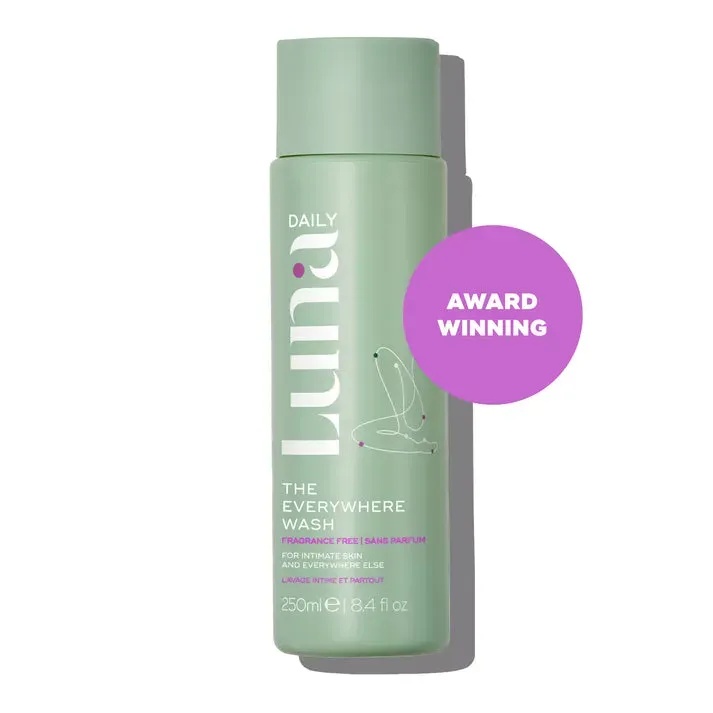 Luna Daily The Everywhere Wash Fragrance Free, £14
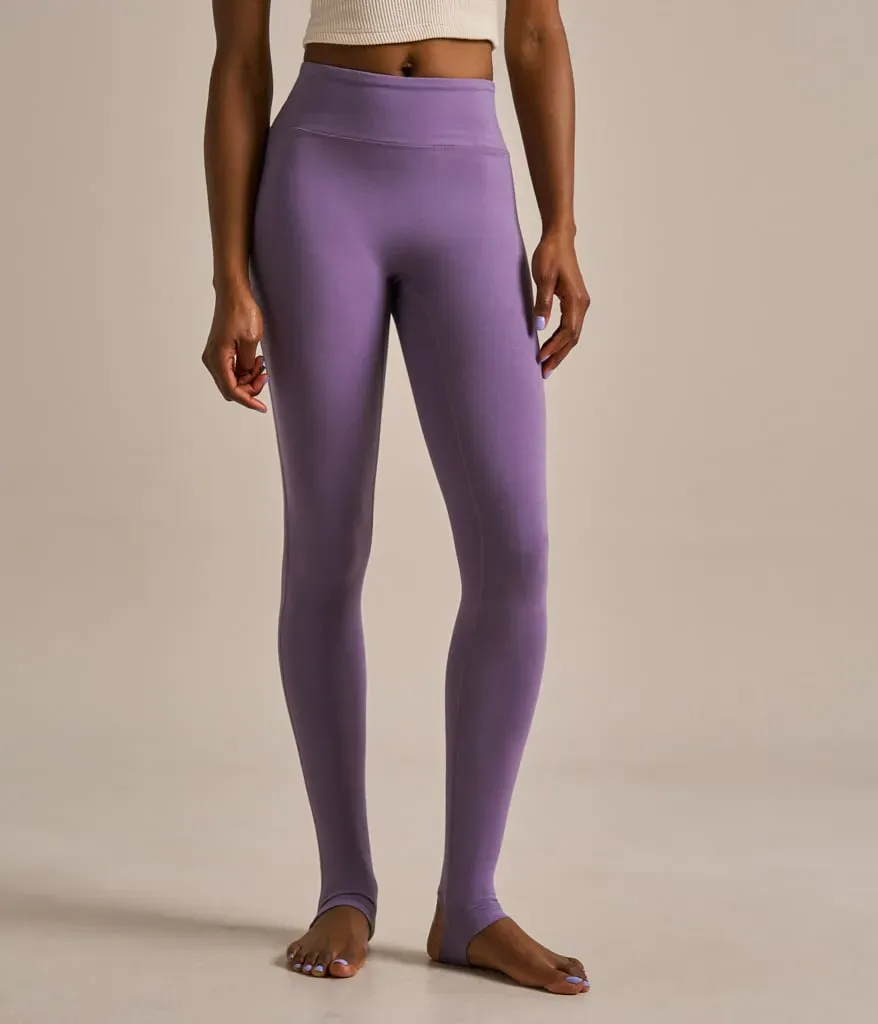 BAM Enduro Stirrup Leggings, £52
 Rawganic Intimate Hygiene Wipe Sachets, £12.49
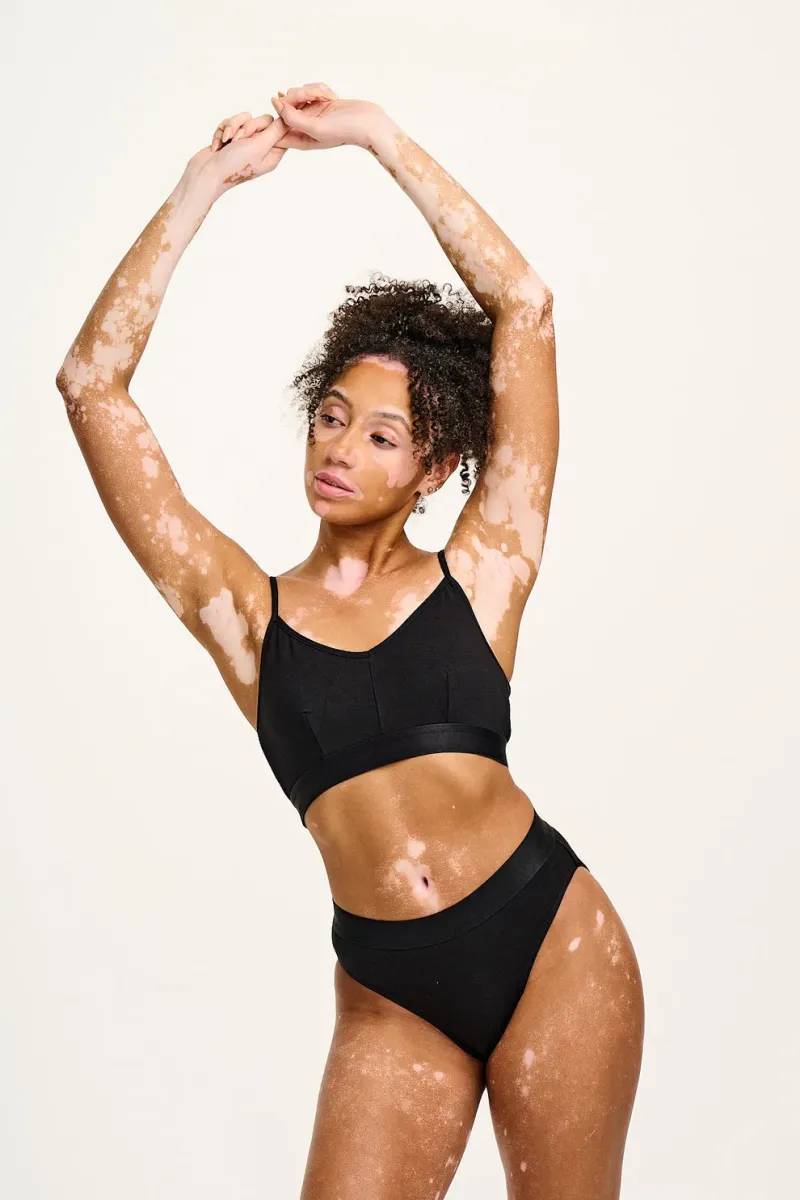 Lucy & Yak Cora – Cotton & Bamboo Bikini Pant in Black, £14